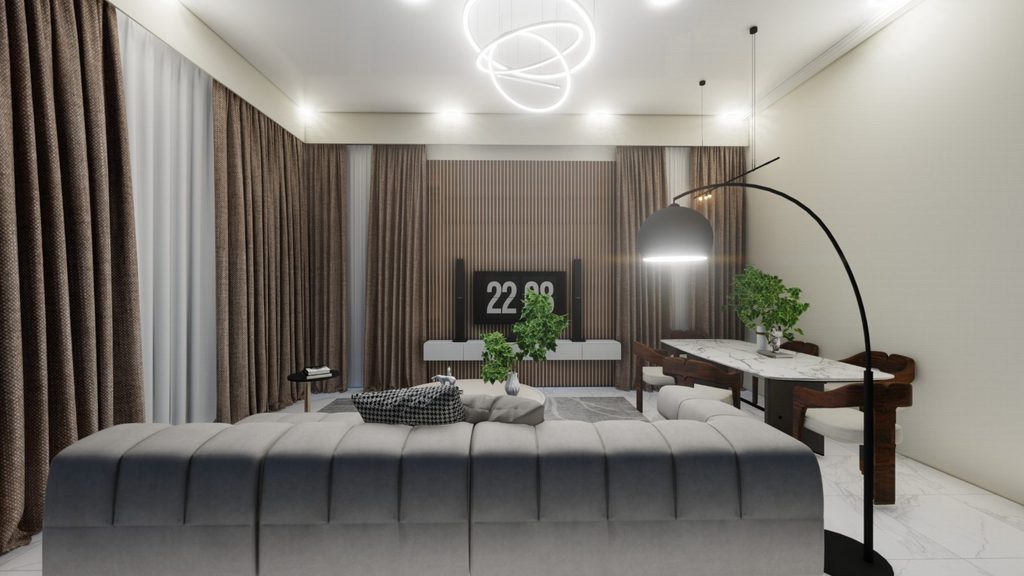
Interior design is one of the fastest-growing professions in Nigeria. With a booming real estate market, a growing middle class, and increasing demand for beautifully designed homes, offices, and commercial spaces, there has never been a better time to build a career in interior design in Nigeria.
But where do you start?
Whether you are a fresh graduate, a working professional looking for a career change, or someone who has always had a passion for beautiful spaces, this guide will walk you through everything you need to know to launch a successful interior design career in Nigeria.
What Is Interior Design?
Interior design is the art and science of enhancing the interior of a space to create a healthier, more aesthetically pleasing and functional environment for the people who use it.
An interior designer plans, researches, coordinates and manages projects to improve the quality of interior spaces. This goes far beyond simply choosing colours and furniture; it involves understanding architecture, human behaviour, materials, lighting, spatial planning and client management.
Interior design is a professional discipline. And like any profession, it requires proper training, certification and practical experience.
Is Interior Design a Good Career in Nigeria?
Absolutely. Here is why:
Growing Demand: Nigeria’s real estate sector continues to expand rapidly. New homes, hotels, offices, restaurants and commercial spaces are being built across Lagos, Abuja, Port Harcourt and other major cities every day. Every one of these spaces needs to be designed.
Earning Potential: Experienced interior designers in Nigeria earn between ₦200,000 and ₦2,000,000 per project depending on the scope and client. Many Maven graduates now run their own interior design studios charging premium rates.
Flexibility: Interior design offers the flexibility to work independently, run your own business, work for a firm, or even offer your services remotely to clients in the UK, US and beyond.
International Opportunities: With the right certification, Nigerian interior designers are increasingly working with clients and firms in the United Kingdom, Canada and the United States.
Step 1: Get Proper Training and Certification
The most important first step is to get trained by a recognised institution. Self-teaching through YouTube videos is a start, but it will not give you the professional credibility, structured knowledge or certification that clients and employers look for.
When choosing an interior design school in Nigeria, look for:
A school with a proven track record and established reputation
Hands-on practical training, not just theory
A certificate that is recognised and accredited
Experienced facilitators who have worked in the industry
A strong alumni network that can open doors for you
Maven School of Interior Decoration and Design is Nigeria’s first interior design school, established in 2009 with over 3,000 graduates. Maven offers the Certificate in Interior Design and Decoration, a 12-week full-time programme that covers everything from design principles and space planning to AutoCAD, client management and setting up your own business.
Maven also offers the UK Advanced Diploma in Interior Design, a UK-registered programme structured to QLS Level 5 standard and CPD accredited — making it one of the most prestigious interior design qualifications available in Nigeria.
Campuses are available in Lagos (Omole Phase 1 and Ikota Lekki), Abuja and London.

Step 2: Learn the Core Skills
A successful interior design career in Nigeria requires a combination of creative and technical skills. Here are the core skills you will need to develop:
Space Planning: Understanding how to arrange furniture, fixtures and fittings to maximise the functionality and flow of a space.
Colour Theory: Knowing how colours interact, how they affect mood and how to create harmonious colour schemes for different spaces.
Materials and Finishes: Understanding different types of flooring, wall treatments, fabrics, furniture materials and how to specify them for different budgets and environments.
Lighting Design: Knowing how to use natural and artificial lighting to enhance the mood, functionality and aesthetic of a space.
AutoCAD and 3D Visualisation: The ability to draw floor plans, elevations and 3D renders is increasingly expected of professional designers. AutoCAD is the industry standard software.
Client Management: Interior design is a service business. Knowing how to communicate with clients, manage expectations, present your ideas, and handle project timelines is just as important as the design itself.
Business Skills: If you plan to run your own studio, you will also need to understand pricing, invoicing, contracts, and project management.
Step 3: Build Your Portfolio
Your portfolio is your most powerful marketing tool as an interior designer. It is what potential clients and employers will look at before they decide to hire you.
Here is how to build a strong portfolio as a beginner:
Start With School Projects: Your practical assignments during training are your first portfolio pieces. Document every project you work on: mood boards, floor plans, renders, material samples, and finished spaces.
Take On Small Projects: Offer to redesign a room for a family member or friend at low or no cost in exchange for being able to photograph the finished space for your portfolio.
Document Everything: Take high-quality before and after photos of every project. Show your process, sketches, mood boards, material selections: not just the final result.
Create an Online Portfolio: Build a simple website or use platforms like Behance or Instagram to showcase your work. Make sure your portfolio is easy to find online.
Step 4 – Get Practical Experience
Theory and training are important, but nothing replaces real-world experience. Here is how to get practical experience early in your career:
Internship: Many interior design schools, including Maven, include a compulsory internship as part of their programme. This allows you to work on real projects under the supervision of experienced designers.
Assist an Established Designer: Reach out to interior designers in your city and offer to assist them on projects. Even unpaid or low-paid assistance early in your career can give you invaluable experience and industry connections.
Take On Personal Projects: If you cannot find formal experience immediately, create your own. Style a room, redesign a small space, or create concept designs for imaginary clients. Document everything.
Step 5 – Get Certified
In Nigeria, having a recognised certificate from a reputable institution significantly increases your credibility and earning potential.
Maven’s Certificate in Interior Design and Decoration is one of the most recognised interior design certifications in Nigeria. The certificate is awarded upon successful completion of all 12 modules and the compulsory internship programme.
For those seeking international recognition, Maven’s UK Advanced Diploma in Interior Design is a UK-registered programme structured to QLS Level 5 standard and CPD accredited, opening doors to clients and opportunities in the UK and beyond.
Step 6 – Build Your Network
Interior design in Nigeria, like most creative industries, is a relationship business. Your network is one of your most valuable assets.
Here is how to build your network:
Connect With Other Designers: Join interior design associations and communities in Nigeria. The more you connect with other professionals, the more you learn, and the more opportunities come your way.
Attend Industry Events: Attend furniture expos, real estate events, design exhibitions, and networking events in your city.
Leverage Social Media: Instagram and Pinterest are the most powerful platforms for interior designers. Post your work consistently, engage with your audience, and connect with potential clients and collaborators.
Stay In Touch With Your Alumni Network: Maven graduates have built a strong community of over 3,000 professionals across Nigeria and the UK. Being part of this network opens doors that would otherwise be closed.
Step 7 – Launch Your Business or Find Employment
Once you have your certification, some experience, and a portfolio, you are ready to either launch your own interior design business or seek employment with an established firm.
Starting Your Own Studio: Many Maven graduates go on to run their own interior design studios. Starting small, taking on residential projects for friends, family, and referrals is the most common path. As you build your portfolio and reputation, you can take on larger and more complex projects.
Working for a Design Firm: If you prefer employment, many architecture firms, real estate developers, hospitality companies, and retail brands in Nigeria employ interior designers full-time.
Freelancing: Many designers work as freelancers, taking on projects from multiple clients simultaneously. This offers flexibility but requires strong business and self-management skills.
How Long Does It Take to Become an Interior Designer in Nigeria?
With the right training, you can complete your interior design certification in as little as 12 weeks at Maven. However, becoming a confident, established professional typically takes 1 to 3 years of practical experience after completing your training.
The good news is that you do not have to wait until you are fully established to start earning. Many Maven students begin taking on small projects and earning from their skills while they are still in training.
How Much Does It Cost to Study Interior Design in Nigeria?
At Maven School of Interior Decoration and Design, the Certificate in Interior Design and Decoration costs:
Course Tuition: ₦250,000 (payable in two instalments)
Enrolment Form: ₦30,000 (payable on application)
Practical Materials: ₦20,000
Total Investment: ₦300,000
For the UK Advanced Diploma in Interior Design, the fee is ₦1,000,000.
An online version of the Certificate programme is also available at ₦100,000 for those who cannot attend in person.
Why Choose Maven School of Interior Decoration and Design?
Maven is Nigeria’s first interior design school, established in 2009 with over 3,000 graduates now practising professionally across Nigeria, the United Kingdom and beyond.
Here is what sets Maven apart:
Established in 2009 – over 15 years of experience training professional designers
3,000+ graduates – a proven track record of producing successful designers
Hands-on practical training – real projects, real materials, real experience
CPD accredited – internationally recognised accreditation
UK Advanced Diploma – the only UK-registered interior design programme in Nigeria
Four campuses – Lagos (Omole and Lekki), Abuja and London
Strong alumni network – graduates supporting graduates across the industry
Ready to Start Your Interior Design Career?
The best time to start is now. Every month you wait is a month you could have been building skills, gaining experience and moving closer to the career and income you want.
Maven’s next intake is open. Spaces are limited.
Reserve your place today at mavensidd.co.uk
Or chat with our admissions team directly on WhatsApp.
Frequently Asked Questions
Do I need any prior experience to study interior design?
No. Maven’s Certificate programme is designed for complete beginners as well as those with some design background. No prior experience is required.
Can I study interior design online in Nigeria?
Yes. Maven offers an Online Certificate in Interior Design and Decoration delivered remotely at ₦100,000.
Is interior design a profitable career in Nigeria?
Yes. Experienced interior designers in Nigeria earn between ₦200,000 and ₦2,000,000 per project. Many Maven graduates now run their own successful studios.
What is the difference between interior design and interior decoration?
Interior design involves the full planning and design of a space, including structural elements, space planning and technical drawing. Interior decoration focuses primarily on the aesthetic elements, furniture, accessories, colours and finishes. Maven trains you in both.
How do I get clients as a new interior designer in Nigeria?
Start with your personal network: family, friends and colleagues. Build your portfolio, create an Instagram page showcasing your work, and ask every client for referrals. Consistency and quality will build your reputation over time.
Published by Maven School of Interior Decoration and Design, Nigeria’s First Interior Design School. Est. 2009.